My cultural journey of watching television programs from major cultures ended up starting with a major problem.
I couldn’t figure out how to access current television and get English subtitles for the Hindi shows I was trying to watch!!

So after extensive googling and finding the perfect current television show I was met with streaming services that could not be watched due to my geographic location, or did not have any closed captions whatsoever. This was a major set back! (Some of those shows looked really good too!)
I ended up changing my search to just watching the most popular shows of all time and found two shows from the 90’s. This is a blowback as is, but I decided that an older television program could still give me some good insights.
The first program I started was Mahabharata. The original series aired in the 90’s but amazon prime had short animated videos, with a narrator telling the story as it goes. I acknowledge that I am missing a bit of the story as I am watching a very English version of this television program, but It is still based on an ancient epic.
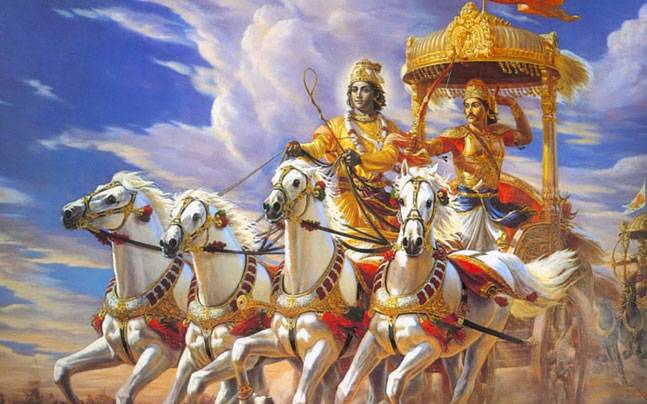
The story starts at the beginning, or according to the narrator karma entails what happened before and what follows. I have found other renditions of this story do start at a different point in the story, which is very interesting.
The main themes that felt different to me than my current culture:
- The amount of secret children that each women seemed to have
- A sons sacrifice for his dad’s happiness
- The idea that a woman giving up her sight for her blind husband is an injustice
- The property factor over women– in which I mean that once a women is claimed she cannot belong to anyone else
- The idea that dying can come as you wish if you are a Demi God
So what most struck me was the differences in choices made by women in the same situation, based on where the story was from. In this epic, a woman summons a God, who in turn gives her a baby. The women is unmarried and has no idea what to do with the child, so she gives the child away. This theme continues throughout the epic. On the contrast, Christianity focuses on a woman who raises baby from God.
Another part that interested me is the son’s sacrifice to never marry, never have children, and never control the throne, for the sake of their dads happiness. While I did not finish the program, I am anxious to see what happens next, and if the theming underlying this event includes the idea of personal selfishness over the greater good of the kingdom.
This leads me to the next television series I watched: Malgudi Days

Malgudi Days focuses on a 9 year old boy named Swami and his journey through schooling and life. This story is relatively similar to popular shows on American television as it entails a young boy who does not like school, deals with drama between friends, and is playful when he wants. Some things that struck me about this show are:
- The Christian teacher is the bad guy
- The recognition of the lost life of the ant
- Sticking with the eldest friend because of the age of friendship
- The idea that being a man starts around 9 years old
So as I was watching this show, I noticed the Christian teacher was telling them all the reasons their religion was Bad so this kid was like “Our God doesn’t eat meat and drink but yours does” and the Teacher is portrayed in such a villian-like light. This is a drastic change to what you see on American television.
The next moment that struck me was when the boy had a small paper boat floating down the river, he placed an ant on the boat for a ride. A tree limb falls down and the boat gets submerged. The child frantically looks for the ant and when the ant is not found, the child recognizes the lost of life. This is a drastic change from a program we would watch in America. Some television shows plot lines entail an ant farm dying without any thought to commemorate the life of the ants.
The next theme that struck me was the eldest friend told the Swami that he needed to stop talking to this other child and Swami immediately said you are my oldest friend and I respect your choice. With the individualized culture in America, it is common for television characters and people in real life to actually ditch their longest friend for a boyfriend, or for a new friend. Although the Americans eventually learn that the eldest friend is typically their best option, this story line was not even considered on this show.
That is my take on these two television programs. I believe that as my journey progresses I will make more and more comparisons. As it stands, the biggest cultural difference I’ve seen is the value on the independent and interdependent self. Both of these programs highlight what people do for other peoples happiness. As this weeks blog post comes to a wrap, I hope you have a great week and


 Jessica's Blog